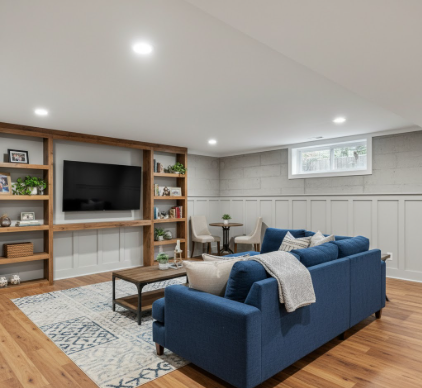
Basement Renovation Ideas to Create a New Living Space

Basement Renovation Ideas to Create a New Living Space Homeliness
Forget the idea of a standard, boxy room. Your attic offers a blank canvas for creativity. It could be a serene master bedroom under the stars, a vibrant home office that sparks productivity, a quiet reading nook, or a playroom where imaginations can run wild. The journey from dusty storage to dream space is all about clever design, thoughtful decor, and a touch of personality.
Before you start dreaming of paint colors and furniture, it’s crucial to address the practicalities. Always consult with a professional to assess the structural integrity of your attic floor to ensure it can support a living space. Proper insulation, ventilation, and meeting local building codes for access and fire safety are non-negotiable steps for a successful and safe conversion.

Embrace the Unique Architecture

The first rule of attic decor is to work with what you’ve got. Those sloped ceilings and exposed beams that might seem like obstacles are actually your greatest assets in creating a space with personality.

Working with Sloped Ceilings

Sloping walls naturally create a sense of enclosure and coziness. Instead of trying to make them disappear, highlight them. Painting the entire room, including the slopes, in a single light color like a soft white, pale grey, or a creamy beige can make the space feel larger and more unified. This technique blurs the lines where the walls end and the ceiling begins, creating an airy, cloud-like effect. Conversely, if you’re aiming for a snug, den-like atmosphere, don’t be afraid of darker colors. A deep navy blue or a rich forest green on the walls and ceiling can turn the attic into a dramatic and intimate cocoon, perfect for a bedroom or a media room. The lowest points of the slopes are perfect for specific functions. This is where you can place low-profile furniture like a bed with just a headboard, a long credenza, or custom-built shelving. These areas are also ideal for creating cozy reading nooks. Tuck a plush armchair, a small side table, and a floor lamp into a corner under the eaves for an instant escape.

Highlighting Beams and Trusses

If your attic has exposed wooden beams or trusses, you’ve hit the character jackpot. Don’t cover them up! Instead, make them a focal point. You can restore them to their natural beauty by sanding and staining them to bring out the wood grain. This adds a rustic, organic warmth to the space. For a more modern or industrial look, consider painting them. Black or charcoal grey beams against a white ceiling create a stunning graphic contrast, while painting them the same color as the ceiling gives a more subtle, textural effect.

Lighting and Color: The Foundation of Ambiance

Proper lighting and a well-chosen color palette are fundamental to making an attic feel welcoming rather than claustrophobic. These two elements work hand-in-hand to define the mood and perception of the space.

Harnessing Light

Natural light is your best friend in an attic. If possible, incorporating skylights or dormer windows will dramatically transform the space, flooding it with daylight and opening it up to views of the sky. Keep window treatments simple and light. Sheer blinds or light-filtering roller shades provide privacy without blocking the precious sunlight. Avoid heavy, dark curtains that can make the room feel smaller and heavier. For artificial lighting, a layered approach is most effective. Here are some ideas:
  • Ambient Lighting: Recessed spotlights or track lighting installed along the ridge of the ceiling can provide good overall illumination without taking up visual space.
  • Task Lighting: Place floor lamps or table lamps in reading corners, by the bed, or at a desk to provide focused light where you need it most.
  • Accent Lighting: Use uplighters to wash a sloped wall with light, making it feel taller. Wrapping string lights or fairy lights around exposed beams can add a magical, whimsical touch and create a wonderfully cozy glow in the evenings.

Choosing Your Color Palette

The color scheme sets the entire tone for your attic retreat. For a feeling of spaciousness, stick with lighter hues. A monochromatic palette of whites and creams creates a serene, minimalist backdrop that feels clean and expansive. To avoid it feeling sterile, introduce plenty of texture through textiles and natural materials. If you love color, consider soft pastels like dusty rose, sage green, or sky blue. These colors add personality while still maintaining a light and airy feel. For a bolder approach, use a feature wall with a vibrant color or an interesting wallpaper to create a focal point without overwhelming the entire room.

Furnishing a Space with Character

Furnishing an attic requires a bit more planning than a standard room. The goal is to maximize functionality while complementing the room’s unique shape.

Scale and Placement

Opt for low-profile furniture that sits closer to the ground. Low-slung sofas, platform beds, and short bookcases will fit comfortably under the eaves and prevent the ceiling from feeling like it’s closing in on you. In the center of the room, where the ceiling is highest, you can place taller items or a statement pendant light. Always measure the height of your slopes before you go shopping to avoid any frustrating surprises. Think about creating distinct zones within the open space. Use area rugs to visually separate a sleeping area from a sitting area, or a work zone from a relaxation spot. This simple trick helps to organize the space and make it feel more purposeful and less like one large, undefined room.

The Power of Built-ins

Custom built-in storage is a game-changer in an attic. Shelves, drawers, and closets built directly into the space under the eaves can utilize every inch of awkward space that would otherwise be wasted. A built-in window seat in a dormer is a classic attic feature for a reason—it provides a charming place to sit and enjoy the view while also offering storage space underneath. These custom solutions can be a significant investment, but they provide a seamless, clutter-free look that is hard to achieve with freestanding furniture.

The Finishing Touches: Texture and Personality

The final layer of decor is what truly transforms an attic into a cozy and personal retreat. This is where you can inject your style and make the space feel like your own. Layering textiles is essential for coziness. Start with the floor. A soft, wall-to-wall carpet or a large, plush area rug over hardwood floors will add instant warmth and help with sound insulation. On your bed or sofa, pile on the pillows and throws in a variety of textures: chunky knits, soft velvets, crisp linens, and faux fur. These tactile elements invite you to curl up and get comfortable. Adding plants brings life and a touch of nature indoors. Hanging plants are a particularly good choice for attics as they draw the eye upwards and don’t take up any valuable floor space. Finally, fill the space with things you love—art, photographs, books, and unique objects that tell your story and make your attic retreat a true reflection of you.
Isabelle Dubois, Interior Designer and Lifestyle Stylist

Isabelle Dubois is an accomplished Interior Designer and Lifestyle Stylist with over 16 years of experience transforming residential and commercial spaces into harmonious and inspiring environments. She specializes in sustainable design practices, cohesive aesthetic integration, and creating personalized spaces that enhance well-being, focusing on blending functionality with sophisticated style. Throughout her career, Isabelle has led numerous high-profile design projects, contributed to leading design publications, and received accolades for her innovative approach to space planning and decor. She is known for her keen eye for detail, understanding of color psychology, and ability to translate client visions into breathtaking realities, emphasizing that a well-designed home significantly impacts daily life. Isabelle holds a Master’s degree in Interior Architecture and combines her profound design expertise with a passion for making beautiful, livable spaces accessible to everyone. She continues to contribute to the design community through trend forecasting, educational workshops, and inspiring a thoughtful, deliberate approach to home decor.

Rate author
HomeDecorology
Add a comment