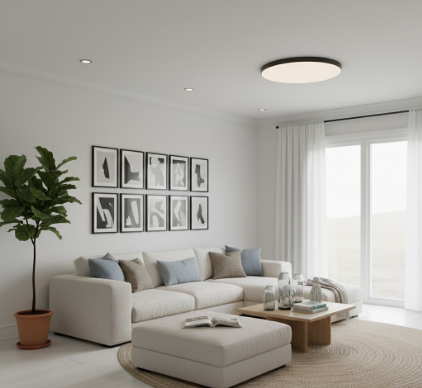
Living with low ceilings can feel like a constant design challenge. That space just above your head can make a room feel cramped, dark, and even a little claustrophobic. But before you start dreaming of a major renovation or moving, take heart! A low ceiling isn’t a design death sentence. In fact, with a few clever tricks and strategic choices, you can create a space that not only feels taller and more open but also embraces its cozy, intimate potential. It’s all about mastering the art of illusion—tricking the eye into seeing height where there isn’t any.
The key is to draw the eye upward and create uninterrupted vertical lines. Forget about anything that visually chops the room in half horizontally. Your goal is to create a seamless flow from floor to ceiling, making the transition so smooth that the eye doesn’t even register where the wall ends and the ceiling begins. It’s a combination of light, color, scale, and placement that transforms a potentially oppressive space into a comfortable and stylish haven. Let’s dive into the specific strategies that will help you raise the roof, figuratively speaking.
Unlocking Height with Paint and Color
Your paintbrush is arguably the most powerful and cost-effective tool in your arsenal against low ceilings. The right color choices can dramatically alter the perception of a room’s dimensions. It’s the foundation upon which all other decorative illusions are built.
Embrace the Power of Light Hues
This might seem like the oldest trick in the book, but that’s because it works.
Light colors are reflective, meaning they bounce light around the room, making the space feel more open, airy, and expansive. Dark colors, on the other hand, absorb light and can make walls feel like they’re closing in. Opt for shades of white, soft cream, pale gray, or light pastels for your walls. To take this a step further, paint the ceiling a shade of white that’s even lighter than the walls, or simply paint the walls and ceiling the exact same light color. This blurs the boundary between wall and ceiling, creating a continuous, unbroken surface that makes the ceiling appear to recede and feel higher.
The Ceiling Sheen Secret
While you’re painting the ceiling, consider the finish. A matte finish is standard, but a ceiling with a bit of a sheen can work wonders in a low-ceilinged room. A semi-gloss or even a high-gloss finish will reflect light much like a mirror, creating an illusion of depth and height. It subtly reflects the furniture and light in the room, making the ceiling feel less like a solid, low barrier. It’s a bold choice that isn’t for every style, but in a modern or glam space, a lacquered ceiling can be a stunning and effective solution.
Strategic Lighting to Lift the Space
Lighting is another crucial element. How you illuminate a room can either emphasize its low height or help to visually push the ceiling up. The goal is to wash the ceiling with light and avoid creating pools of shadow that can make it feel heavier and lower.
A fundamental principle in interior design is that light draws the eye. By directing illumination upwards, you naturally encourage people to look up, which in turn creates the psychological impression of greater height. This technique is far more effective than general downward lighting, which can sometimes cast shadows on the upper portions of the walls and ceiling.
Focus on Uplighting
Instead of fixtures that direct light downwards, prioritize those that cast light up.
Wall sconces that shine upwards are an excellent choice. They wash the upper portion of the walls and the ceiling in a soft glow, making it seem more distant. Floor lamps that have a torchiere design—a bowl shape that directs all the light toward the ceiling—are also your best friends. Placing these in the corners of the room can be especially effective, as it brightens up the darkest parts of the space and makes the entire room feel larger.
Say No to Low-Hanging Fixtures
This one is critical. Large, dramatic, low-hanging chandeliers or pendant lights are a major mistake in a room with low ceilings. They eat up precious vertical space and act as a visual roadblock, drawing immediate attention to how low the ceiling actually is. If you absolutely need an overhead fixture, opt for flush-mount or semi-flush-mount options. These fixtures hug the ceiling, providing ambient light without encroaching on the headspace and maintaining a clean, uncluttered visual plane overhead.
Furniture and Decor That Fights the Crush
What you put in the room is just as important as what you do to the walls and ceiling. The scale and profile of your furniture can either work with you or against you.
Go Low and Lean
Choose furniture with a low profile. This means sofas and chairs with low backs, coffee tables that sit close to the ground, and platform beds instead of bulky frames with tall headboards. The logic is simple: the more space you create between the top of your furniture and the ceiling, the taller the room will feel. This negative space is crucial for creating a sense of openness. Similarly, opt for furniture with clean lines and visible legs. A sofa or cabinet raised on slender legs feels lighter and less bulky than a piece that sits flat on the floor, as it allows light and air to flow underneath.
Create Vertical Illusions
While your main furniture pieces should be low-profile, you should actively seek opportunities to introduce strong vertical elements into the room. A tall, narrow bookcase can draw the eye upward, as can a slender floor lamp. Hang art in a vertical column rather than a horizontal line. Even something as simple as a tall, elegant plant like a fiddle-leaf fig or a snake plant can create a powerful vertical line that guides the gaze skyward. The contrast between low, horizontal furniture and tall, vertical accents is a dynamic way to trick the eye into perceiving more height.
The Magic of Mirrors and Curtains
Finally, don’t underestimate the power of your windows and reflective surfaces. A large, well-placed mirror can be transformative. Leaning a tall, floor-length mirror against a wall is a classic designer trick. It not only reflects light and makes the room feel brighter, but it also reflects the room itself, creating a powerful illusion of depth and doubling the visual space. For window treatments, hang your curtain rods as high as possible—just an inch or two below the ceiling line. Extend the rod well beyond the actual window frame on either side. Let the drapery panels fall all the way to the floor. This creates a long, uninterrupted vertical line that makes both the windows and the walls feel significantly taller than they are.