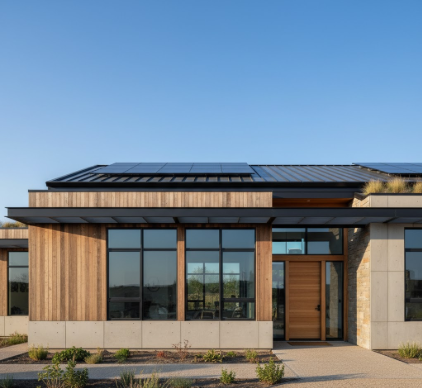
Energy-Efficient Home Design That Doesn’t Sacrifice Style

EnergyEfficient Home Design That Doesnt Sacrifice Style Homeliness
In an era of increasing environmental awareness, the materials we choose for our homes have a global impact. Opting for natural materials is often a more sustainable and eco-friendly choice, contributing to a healthier planet for future generations.

Renewable and Biodegradable

Many popular natural materials come from renewable resources. Wood from responsibly managed forests, fast-growing bamboo, and cork harvested from the bark of trees are all examples of resources that can be replenished. This stands in stark contrast to plastics and other synthetic materials, which are derived from finite fossil fuels. Furthermore, at the end of their long life, natural materials can biodegrade, returning to the earth without leaving a legacy of pollution. A cotton curtain can decompose; a vinyl shower curtain will sit in a landfill for centuries.

Lower Embodied Energy

The embodied energy of a product refers to the total energy consumed during its entire lifecycle, from extraction and manufacturing to transportation and disposal. Natural materials typically have a much lower embodied energy than their synthetic counterparts. The industrial processes required to create plastics, vinyl, and polyesters are incredibly energy-intensive. Conversely, processing wood, wool, or stone requires significantly less energy, resulting in a smaller carbon footprint.

Simple Ways to Welcome Nature Indoors

Integrating natural materials doesn’t require a complete home renovation. You can start small and build over time, gradually transforming your space.
  • Textiles are a great starting point. Swap out polyester cushions for covers made of cotton, linen, or wool. Choose a jute or sisal rug to add texture and ground your living area.
  • Introduce wood accents. Look for wooden picture frames, salad bowls, or decorative trays. Even small touches can add warmth.
  • Bring in stone and ceramic. Use marble coasters, a slate serving board, or handmade ceramic vases and pots for your plants.
  • Don’t forget the greenery! Houseplants are the most literal way to bring nature inside, purifying the air and adding vibrant life to any corner.
By consciously choosing natural materials, you’re doing more than just decorating. You’re crafting a home that supports your health, delights your senses, and aligns with a more sustainable way of living. It’s an investment in beauty, well-being, and a deeper connection to the world around us.
Isabelle Dubois, Interior Designer and Lifestyle Stylist

Isabelle Dubois is an accomplished Interior Designer and Lifestyle Stylist with over 16 years of experience transforming residential and commercial spaces into harmonious and inspiring environments. She specializes in sustainable design practices, cohesive aesthetic integration, and creating personalized spaces that enhance well-being, focusing on blending functionality with sophisticated style. Throughout her career, Isabelle has led numerous high-profile design projects, contributed to leading design publications, and received accolades for her innovative approach to space planning and decor. She is known for her keen eye for detail, understanding of color psychology, and ability to translate client visions into breathtaking realities, emphasizing that a well-designed home significantly impacts daily life. Isabelle holds a Master’s degree in Interior Architecture and combines her profound design expertise with a passion for making beautiful, livable spaces accessible to everyone. She continues to contribute to the design community through trend forecasting, educational workshops, and inspiring a thoughtful, deliberate approach to home decor.

Rate author
HomeDecorology
Add a comment